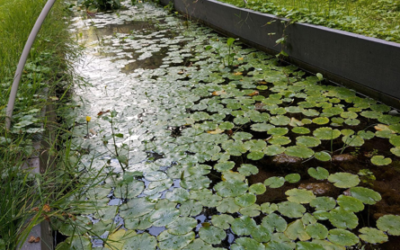
Revitalising a century-old urban watercress bed to produce organic watercress and protect local biodiversity.
Cressondo ASBL
Read more
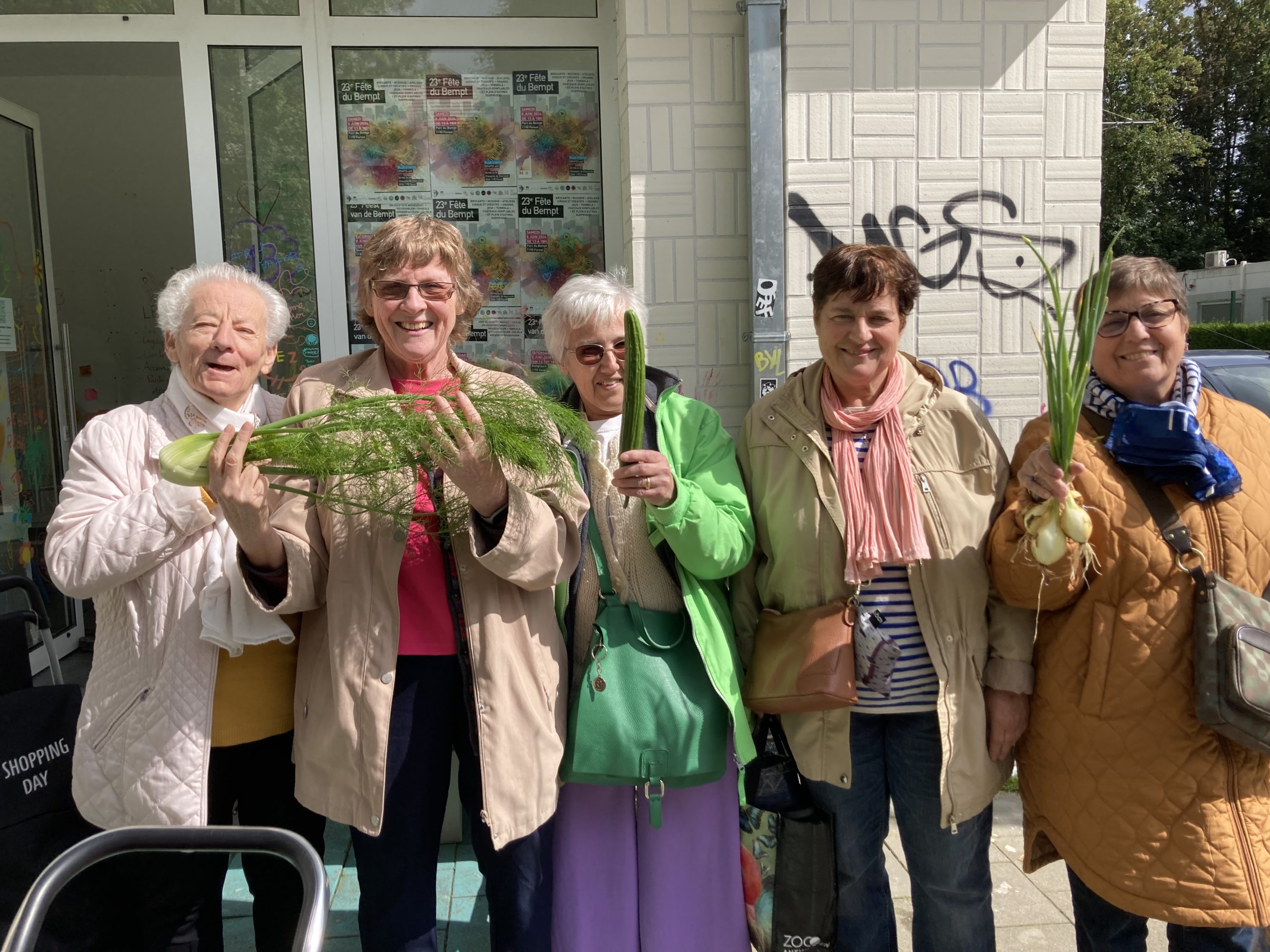
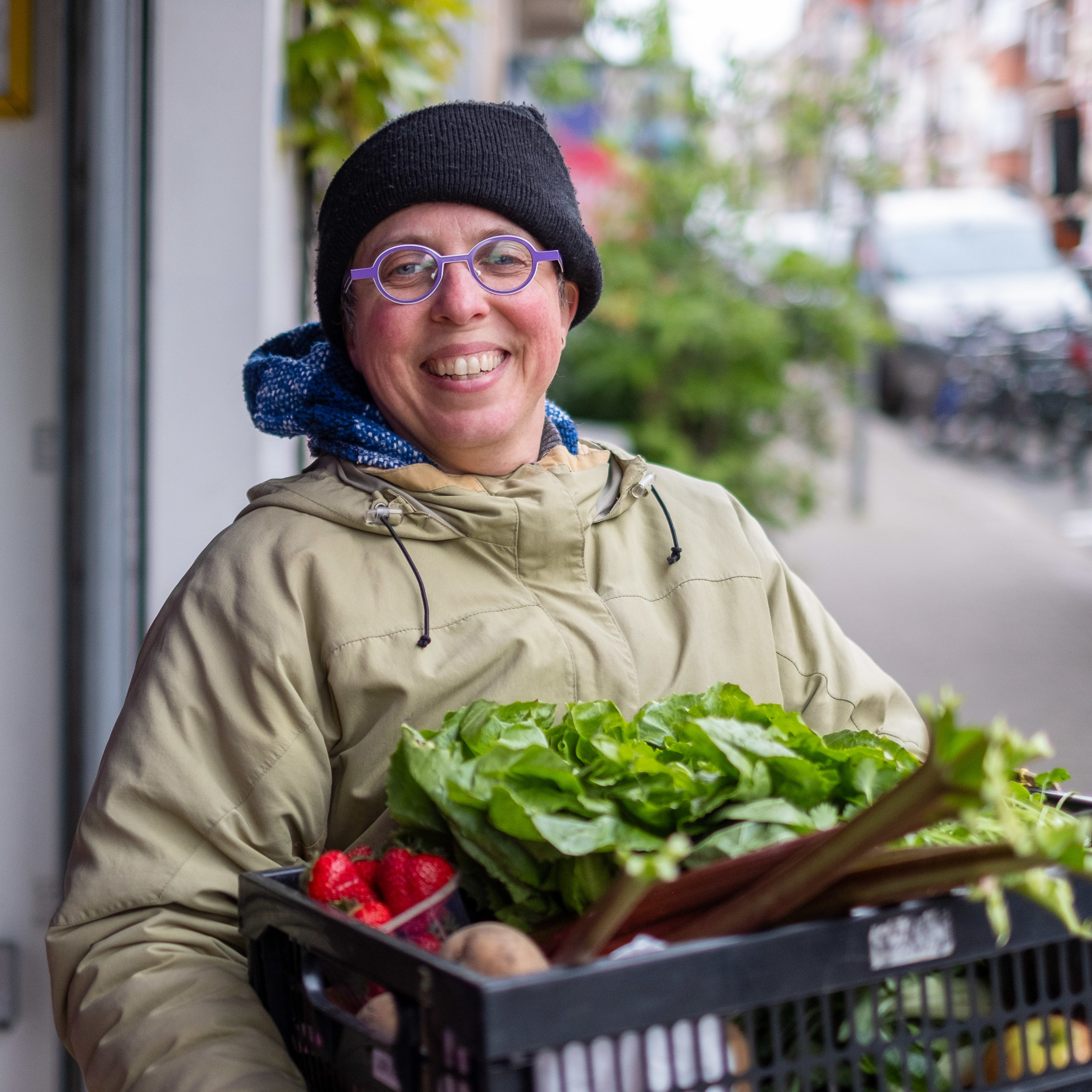
P.A.N.I.E.R.S. is a project focused on sustainable consumption and a community-based approach, which aims to make healthy food more accessible. Inspired by the Sécurité Sociale de l’Alimentation (SSA), this initiative offers workshops, vegetable box distributions, training sessions and social gatherings that foster direct links between families facing food insecurity and local small- and medium-scale producers. Each branch of the project fosters a collective spirit of participatory democracy and social cohesion, whilst encouraging a shift in habits towards a more environmentally friendly, regional and community-based diet.
Citizens and producers (farmers). It proposes a model in which the cost of vegetable production and the upfront payment are covered by public and private funding, in addition to the voluntary contribution made by the beneficiaries in return.
Possible initiatives in which the project is involved :
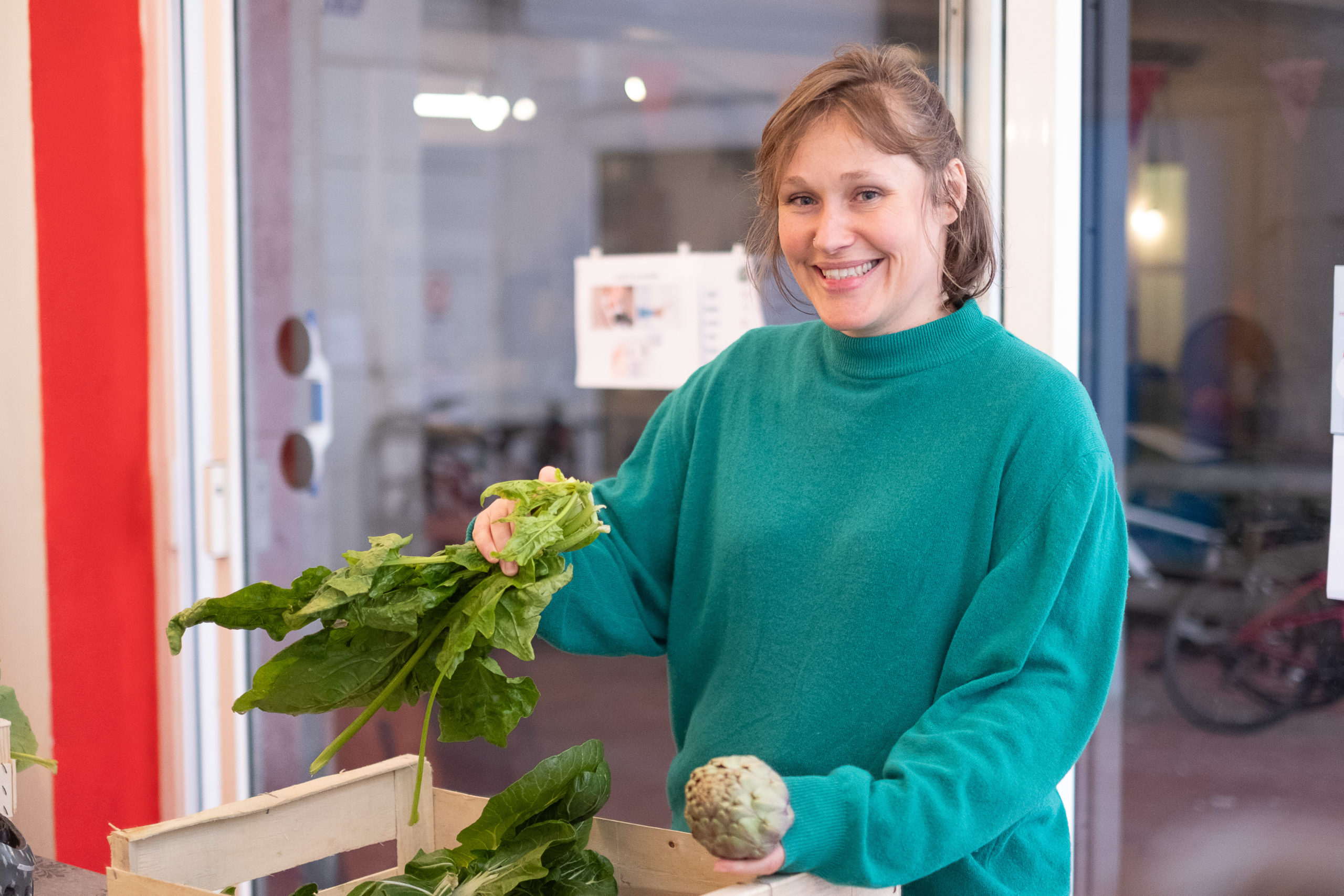
In the long term, P.A.N.I.E.R.S. aims to secure producers’ incomes so that they can plan for the future and continue their agroecological transition. The organic approach, already well established among producers who have been involved in GASAPs for over ten years, demonstrates that a stable model is possible. The project is also part of the European Food Security initiative, which encourages regular visits to farms to carry out a shared assessment of strengths and weaknesses. This approach fosters genuine collective intelligence, where producers are no longer isolated and can move forward together. The objective is clear: to ensure the long-term viability of highly committed producers by strengthening their financial stability and their ability to develop their practices.
The P.A.N.I.E.R.S. project delivers benefits on several levels. For individuals, it helps to reduce social inequalities by making fresh produce accessible in Brussels’ food deserts, whilst offering awareness-raising workshops tailored to people from vulnerable backgrounds. The flexibility of the baskets and the vegetable swap scheme promote self-reliance and participation. For biodiversity, the project promotes short supply chains, which helps reduce CO₂ emissions, avoid packaging and limit waste through collective crop planning and the anticipation of surpluses. In terms of organisation, P.A.N.I.E.R.S. is consolidating a coherent model that combines social justice and ecological transition, whilst strengthening collaboration with producers and building a committed network.
Revitalising a century-old urban watercress bed to produce organic watercress and protect local biodiversity.
Creation of an agroecological food forest that promotes biodiversity and sustainable food production.
An organic farm with the motto: living soil for living food.