Creation of an agroecological food forest that promotes biodiversity and sustainable food production.
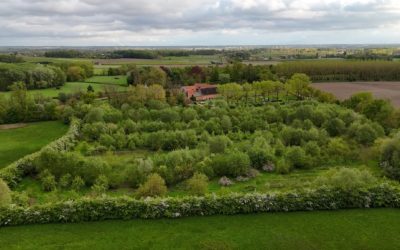
Food forest De Nieuwe Hof
Read more
Strackxhoeve, a regenerative community farm, is working on a future-proof agricultural model. We ensure a resilient ecosystem through increased biodiversity, habitat diversification, integrated water management and flourishing, undisturbed soil beneath our feet.
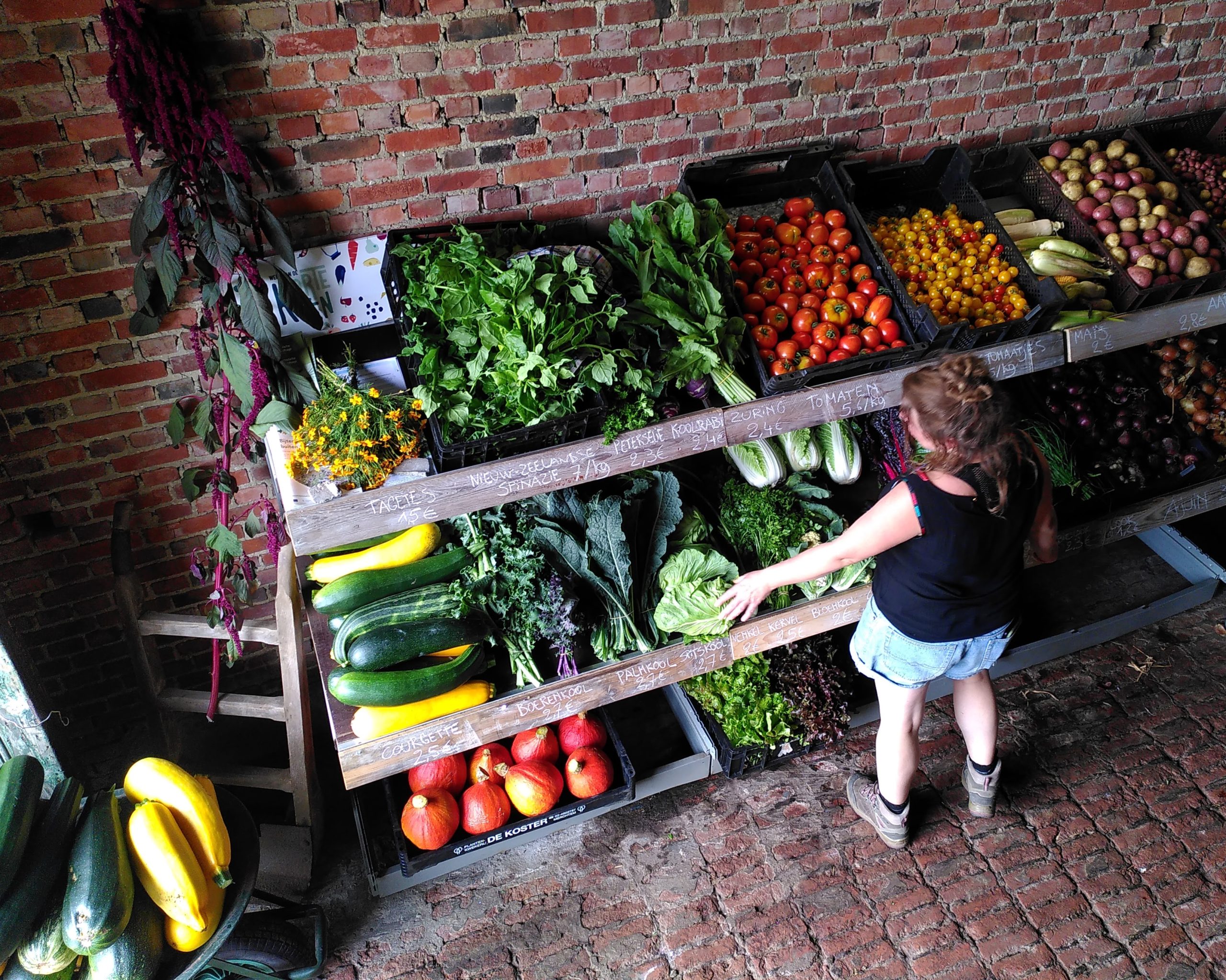
The farm is located in the Merode area in the Zuiderkempen, in Veerle-Laakdal. Vegetables, fruit, edible flowers and herbs are grown on the seven hectares of land according to a regenerative agricultural model. This means that we increase the land’s life-supporting capacity while farming. People in the neighbourhood can enjoy the harvest through vegetable boxes and individual sales.
Strackxhoeve is a community farm. In addition to taking a share of the harvest, you can:
Strackxhoeve is a Lenteland farm. The Lenteland Foundation helped with the start-up of the farm and provided the initial financing. Anyone can then become a co-owner. Read more about Lenteland and other Lenteland farms here.
Possible initiatives in which the project is involved :
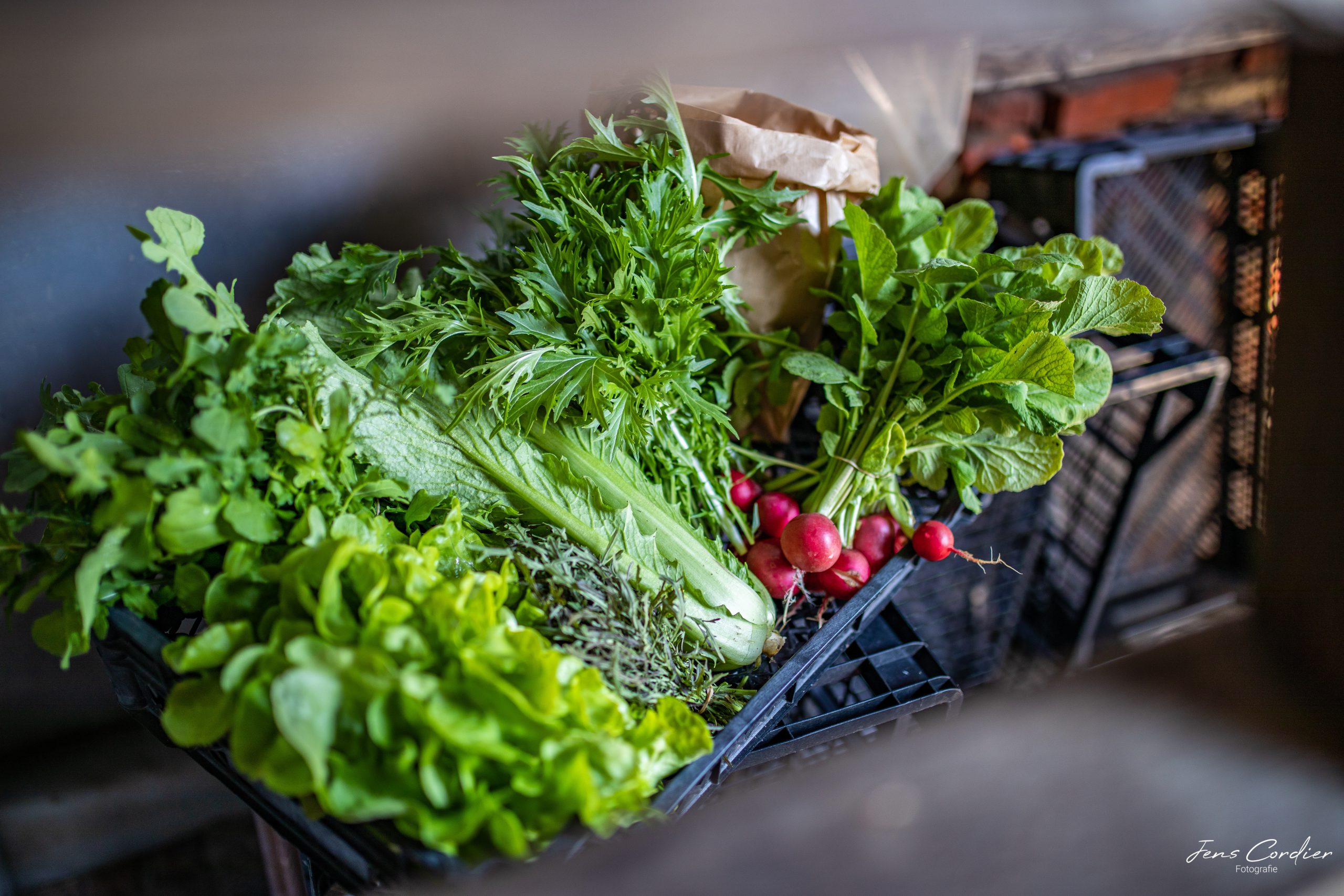
The focus is on manual labour on the land, which means we use virtually no fossil fuels.
We ensure a more resilient ecosystem through increased biodiversity, habitat diversification, integrated water management and flourishing, undisturbed soil beneath our feet. You can taste this healthy foundation in our products.
Thanks to our focus on meaningful, manual labour, we use virtually no fossil fuels. Meanwhile, the woody crops that bear nuts, fruit and other delicacies remove CO2 from the air. This allows us to say that our products are climate positive.
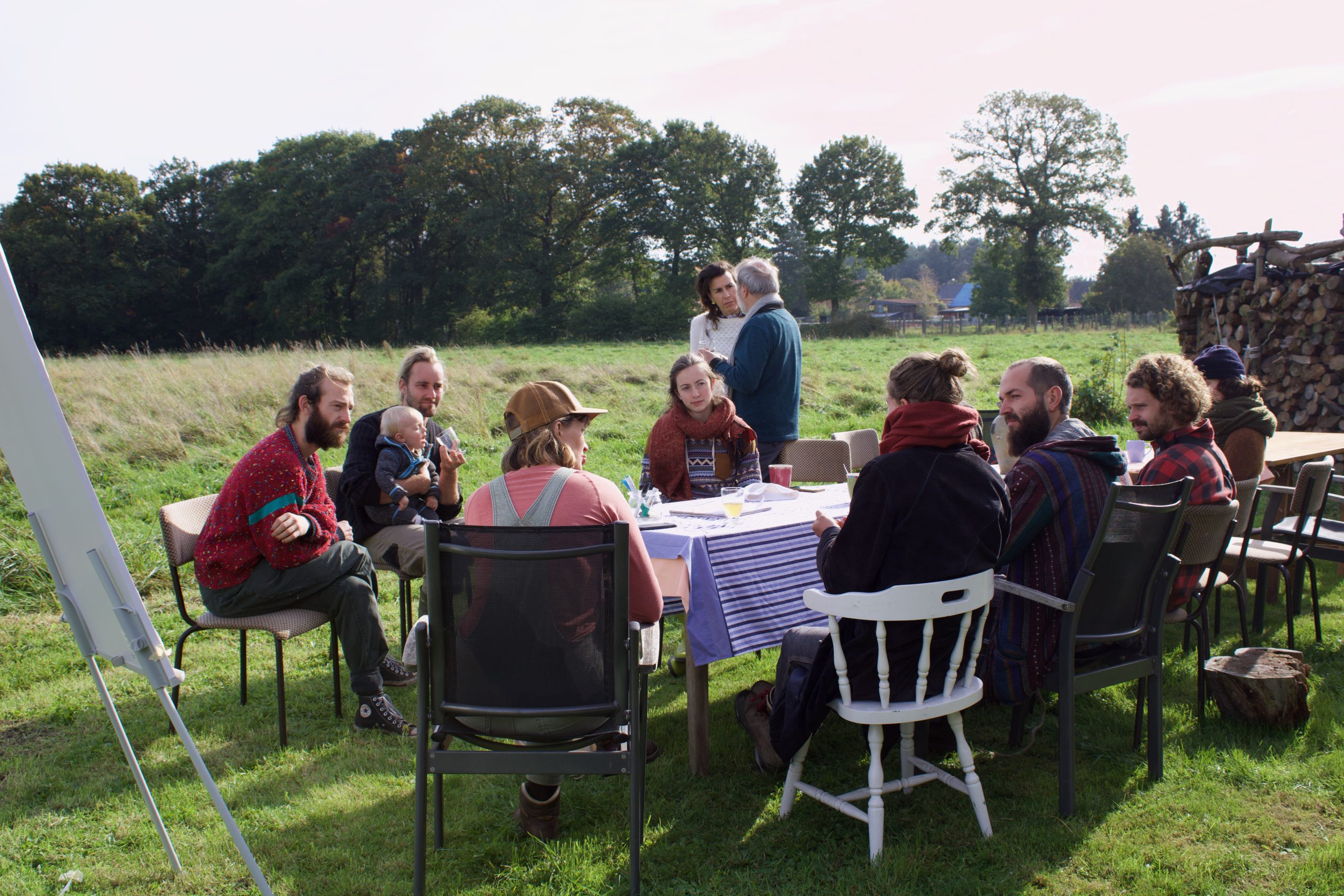
For anyone who is interested, we organise open field days, informative tours, harvest festivals and dinners in the field. People can also become co-owners of the farm and the land. In this way, they contribute to a sustainable agricultural model and we can set up a healthy, multi-year production system.
Creation of an agroecological food forest that promotes biodiversity and sustainable food production.
An organic farm with the motto: living soil for living food.
Located in Tournai, a farm that favors sustainable agriculture that respects the soil.