An organic farm with the motto: living soil for living food.
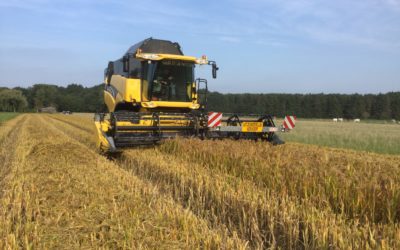
Organic farm Humus
Read more
The De Nieuwe Hof project, located in Sint-Truiden, involves the development of a food forest based on the principles of agroecology and permaculture. Across several hectares, different layers of vegetation are being planted — fruit and nut trees, shrubs, perennials and ground cover — to create a productive and resilient ecosystem. This system mimics the natural functioning of a forest whilst producing local and sustainable food. The project aims to enhance biodiversity, improve soil quality, promote environmentally friendly agricultural practices and raise public awareness of more sustainable food systems.
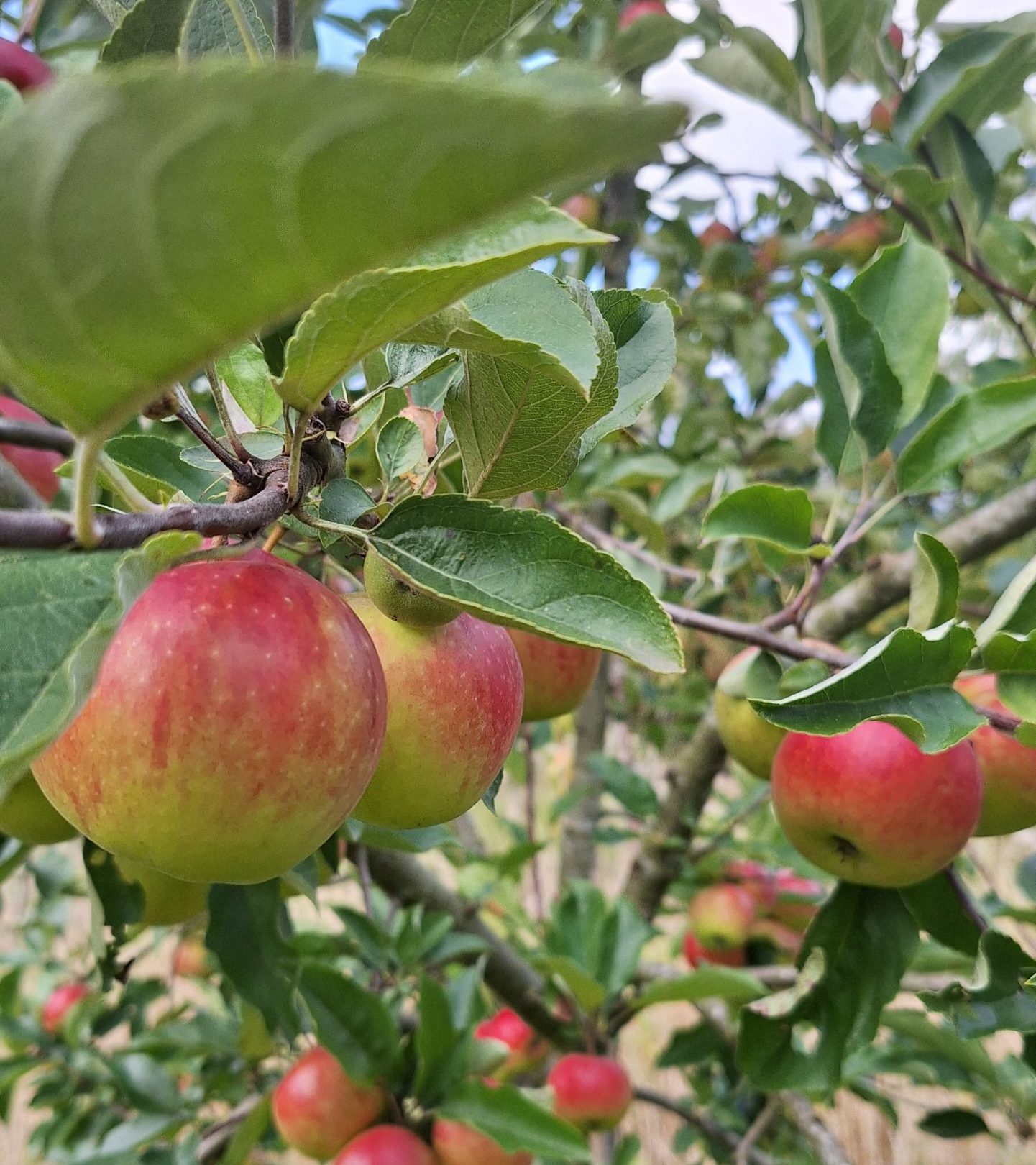
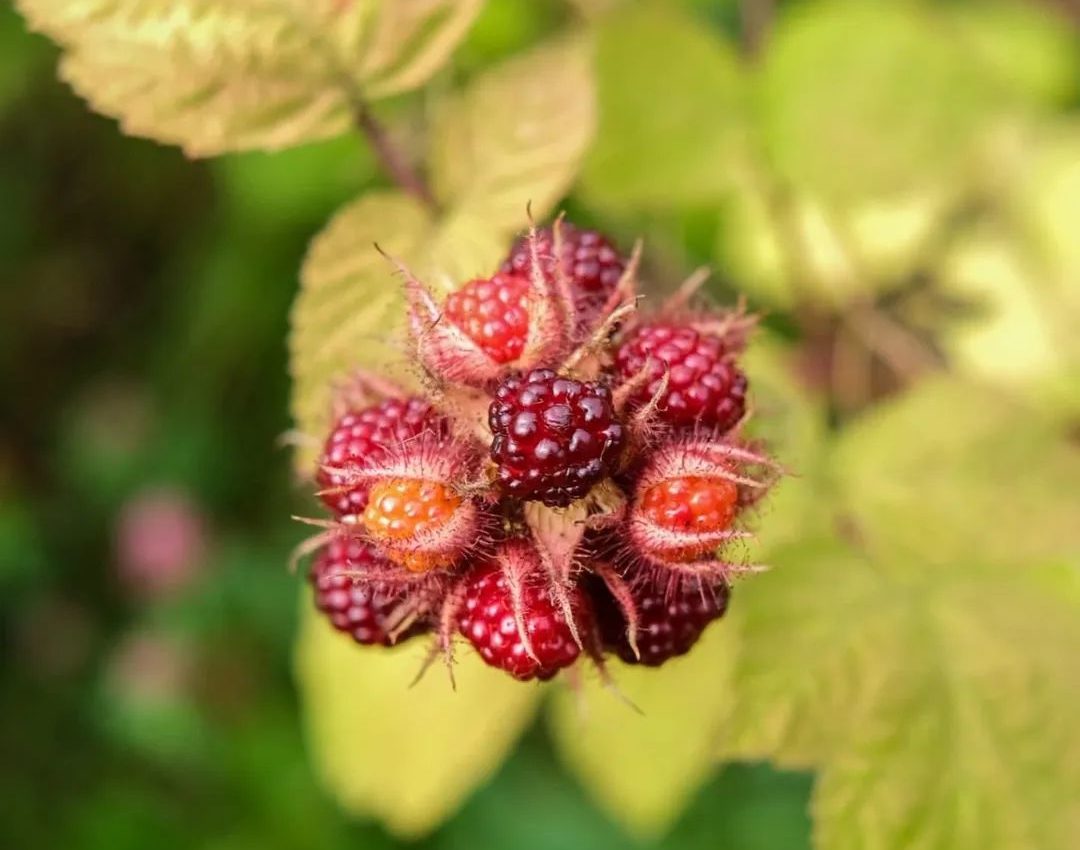
Several parties are involved in the De Nieuwe Hof project: the organisation behind the food forest coordinates the project and provides non-financial contributions such as planning, site management and educational activities. Volunteers and local residents also contribute in non-financial ways by helping with maintenance, planting and harvesting. In addition, partners and local funds sometimes provide financial support for materials, infrastructure and educational programmes, whilst experts in agroecology and permaculture contribute their technical knowledge and advice to ensure the project’s sustainability.
Possible initiatives in which the project is involved :
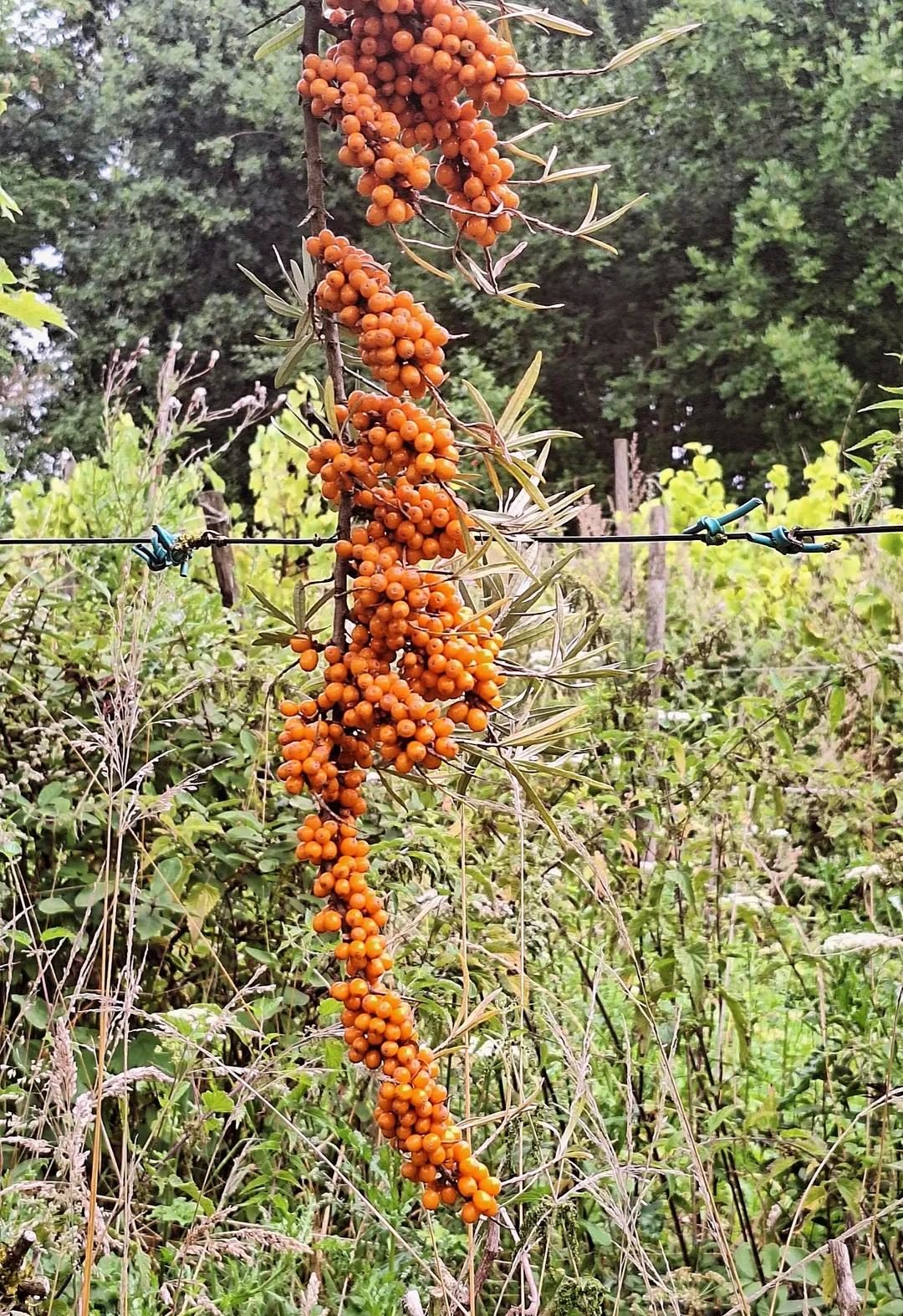
No tilling, no mowing. Prune, however, to ensure trees receive light and oxygen. Group various trees, shrubs and herbs together in ‘islands’ so that they can sustain and strengthen one another without outside intervention. For example, it is important to harvest herbs at the right time to prevent overgrowth. We therefore limit certain species by harvesting them, so that other species continue to have space to develop.
The De Nieuwe Hof project provides local people with sustainable food and knowledge about agroecology, promotes biodiversity and soil health, and enhances the organisation’s reputation and commitment to sustainable agriculture and nature conservation.
An organic farm with the motto: living soil for living food.
A regenerative community farm in Veerle-Laakdal.
Located in Tournai, a farm that favors sustainable agriculture that respects the soil.