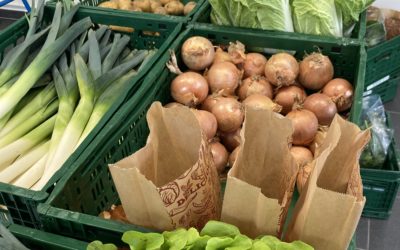
This initiative, based on the Food Security Scheme (SSA), offers discounted baskets of agroecological vegetables to make sustainable food accessible to people in need.
P.A.N.I.E.R.S
Read more
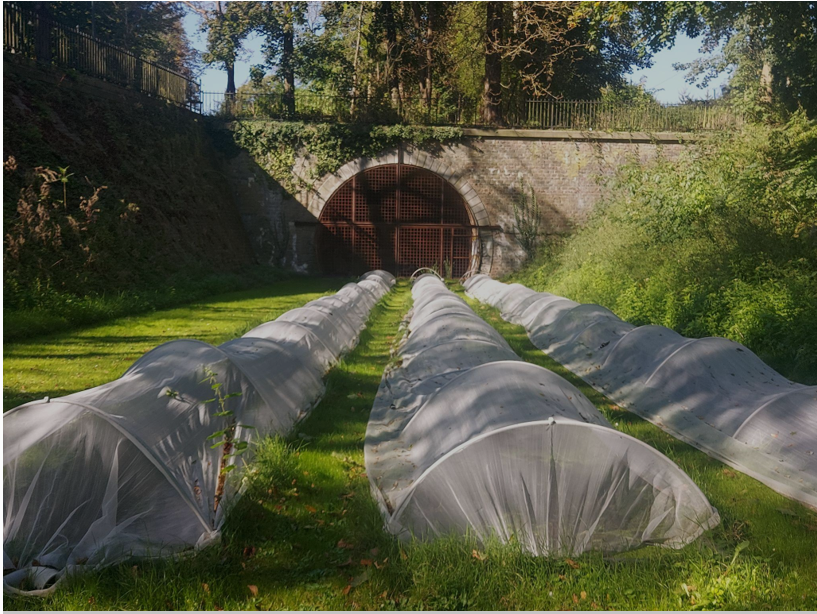
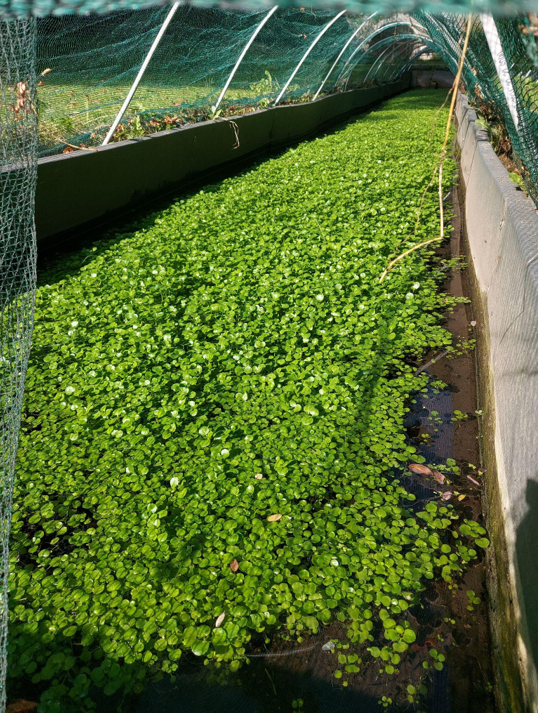
The CRESSONDO project aims to preserve Brussels’ heritage and showcase a site that is unique in Europe: a century-old watercress farm in an urban setting. CRESSONDO also seeks to raise awareness and encourage reflection on urban market gardening through our vegetable garden, and aims to act as a champion for the flora and fauna of wetland habitats. In addition to producing high-quality organic watercress, we offer guided tours and are working on creating a water garden upstream and downstream of the site for your enjoyment.
Whilst the inspiration for the CRESSONDO project stems naturally from its history and its royal waters, the aim over the next five years is to finally transform the Laeken Watercress Farm into a welcoming site within an environment that must absolutely become of high ecological value.
Our medium- and long-term goal is to turn it into an exemplary biotope and to integrate this site into the Natagora network by 2025.
The Cressondo project involves several stakeholders: the non-profit organisation Cressondo and the collective ‘Les amis de la cressonnière de Laeken’, which coordinate the project and contribute mainly in non-financial ways (site management, voluntary work, organising activities and vegetable production). Volunteers and local residents also contribute to the project through their commitment and practical support on the ground. Institutional partners such as Brussels Environment support the project by covering part of the site’s maintenance costs and providing technical support, whilst certain foundations or local partners may provide financial or material support for the restoration and enhancement of the watercress bed. Anyone interested in nature conservation, urban agriculture or local life can become a member of the Cressondo project by supporting the association and taking part in the site’s activities.
● Respect natural production seasons: no heated and/or large-scale greenhouses; follow natural cycles of growth, milking and reproduction, etc.
● Promote short, local supply and production chains, with as few imports as possible;
● Use production methods that take biodiversity into account: crop/fruit tree rotation, mixed cropping, agroforestry/ecological farming, no pesticides or chemicals, organic/sustainable farming, nature-based solutions, etc.;
● Landscape the land to incorporate biodiversity and set aside an area dedicated to biodiversity (e.g. additional flower beds, permanent ground cover, no tillage/mowing/management in specific areas, insect hotels);
● As natural as possible/as little alteration as possible to the surrounding environment (landscape, water quality, soil quality, etc.);
Possible initiatives in which the project is involved :
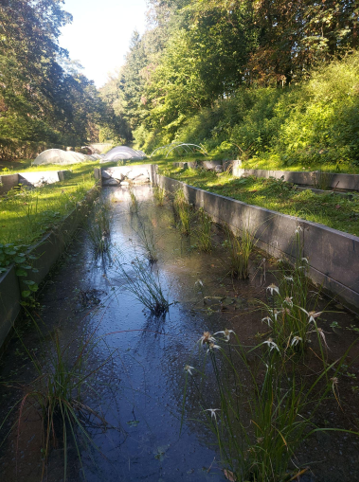
We only intervene when necessary, this is a green oasis and a wetland that we are protecting as the starting point of the entire Van Praet wooded strip, which stretches all the way to the Port of Brussels. It is important that the watercourse is able to continue flowing and retain its full quality. By cultivating watercress and introducing aquatic plants, we are minimising the risks of eutrophication and flooding, whilst preparing the area to support the flora and fauna specific to this environment.
The Cressondo project in Laeken benefits local residents and the people of Brussels in general by promoting local food and raising awareness of urban agriculture; it preserves biodiversity by restoring a wetland; and it highlights the organisation’s commitment to sustainable production and the protection of nature. The benefits can be numerous, as watercress is a food with high health benefits. Our efforts also focus on ensuring that a unique area in Brussels is not abandoned – an area that the public authorities could not manage without our help and that of our donors, foundations and others. Our vision is to strengthen the site’s activities in various ways: growing watercress, engaging with and supporting local residents and businesses in this project, and developing new types of initiatives such as pre-cultivated floating mats grown here in our ponds, so that we can offer local authorities, companies and individuals better water management solutions in general. We are also working on the design of floating plant rafts and floating terraces, allowing the public to engage with the water, nature, and the local flora and fauna. The benefits are both social and economic, and we would like to open the site on an ad hoc basis for leisure or tourism activities, whilst adhering to the project’s guidelines, namely conservation, the biotope and the market gardening of Brussels’ finest watercress.
This initiative, based on the Food Security Scheme (SSA), offers discounted baskets of agroecological vegetables to make sustainable food accessible to people in need.
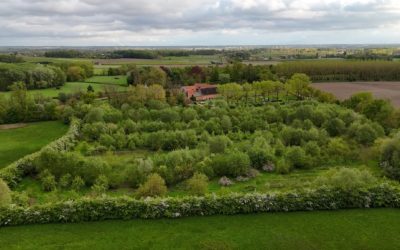
Creation of an agroecological food forest that promotes biodiversity and sustainable food production.
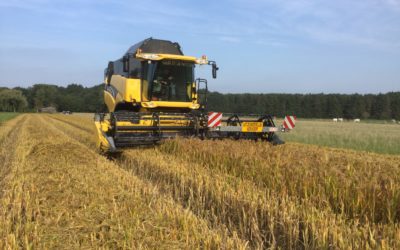
An organic farm with the motto: living soil for living food.