CrowdFarming
The project
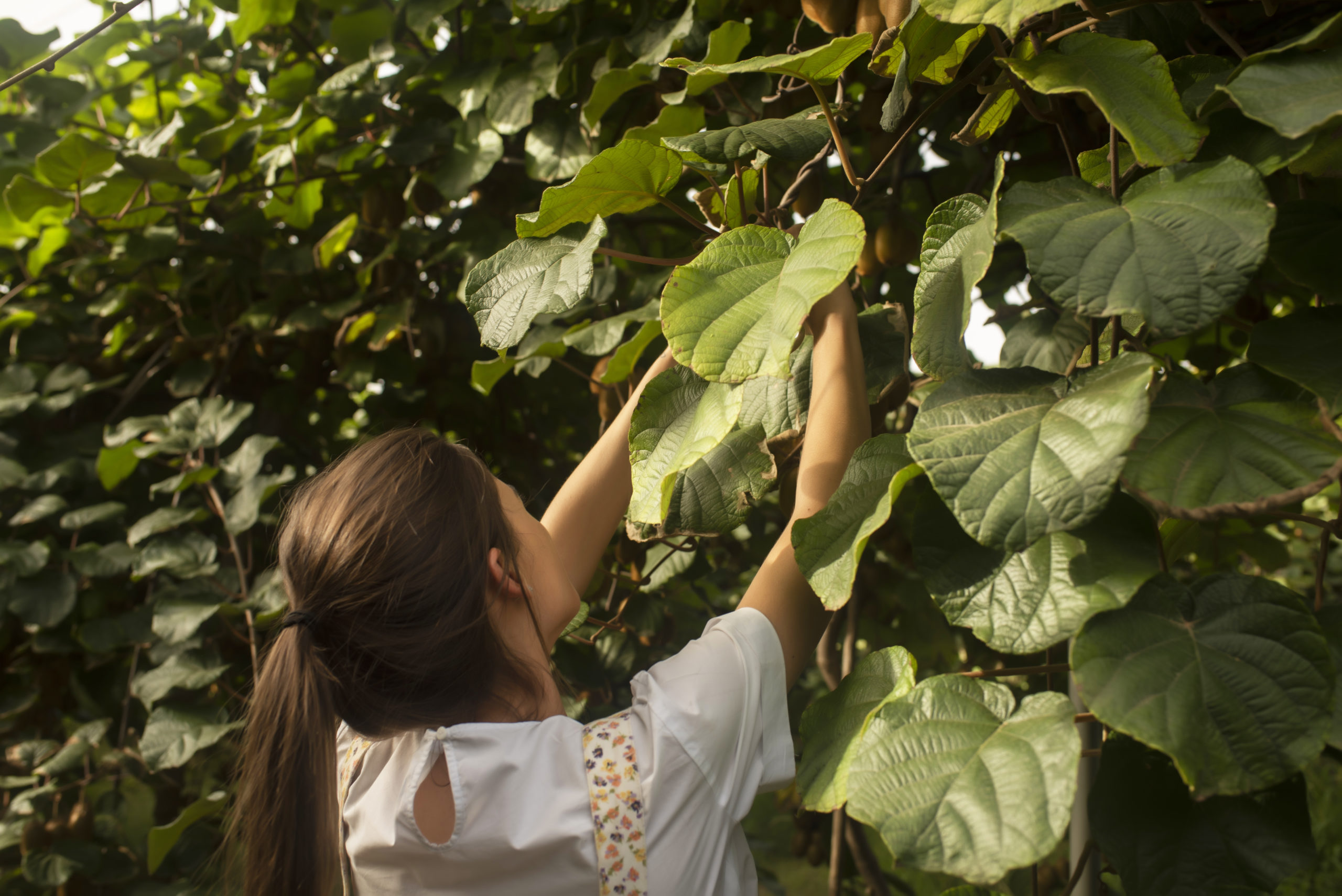
CrowdFarming is a solution for farming created by farmers. We’re working to remove intermediaries from the food supply chain. The direct sale of food between farmers and consumers requires certain services for it to take place: a platform to offer and sell products on, logistics to transport packages, customer service (for our CrowdFarmers, as we call them), and advertising tools to make themselves known. These are some of the services we provide to farmers. We believe that organic-regenerative farming is the best way to ensure our farmers can continue providing European consumers with nutritious products.
10.500 tonnes of food were shipped to European homes in 2024.
Project location
Contribution(s)
Project costs
Participant(s)
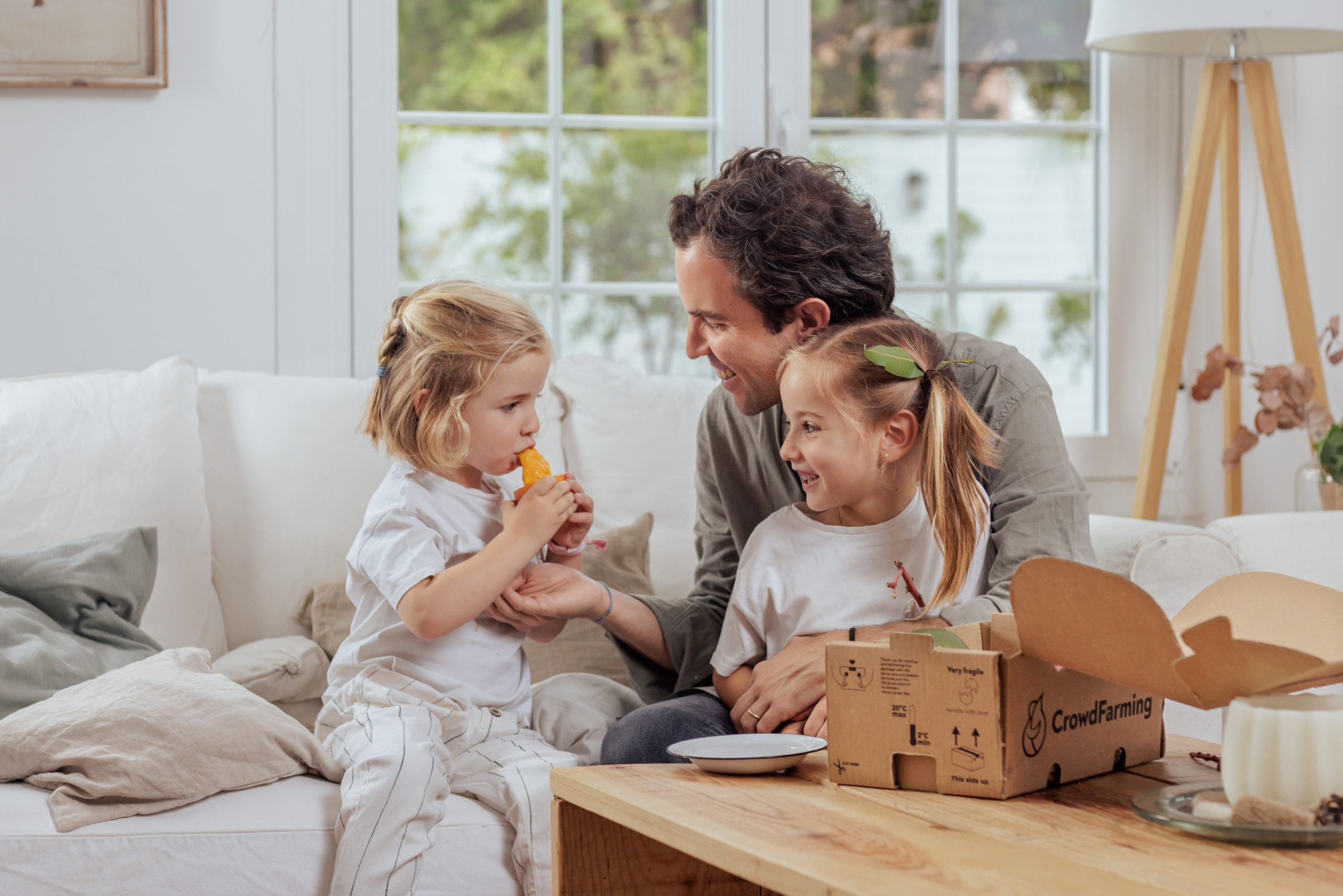
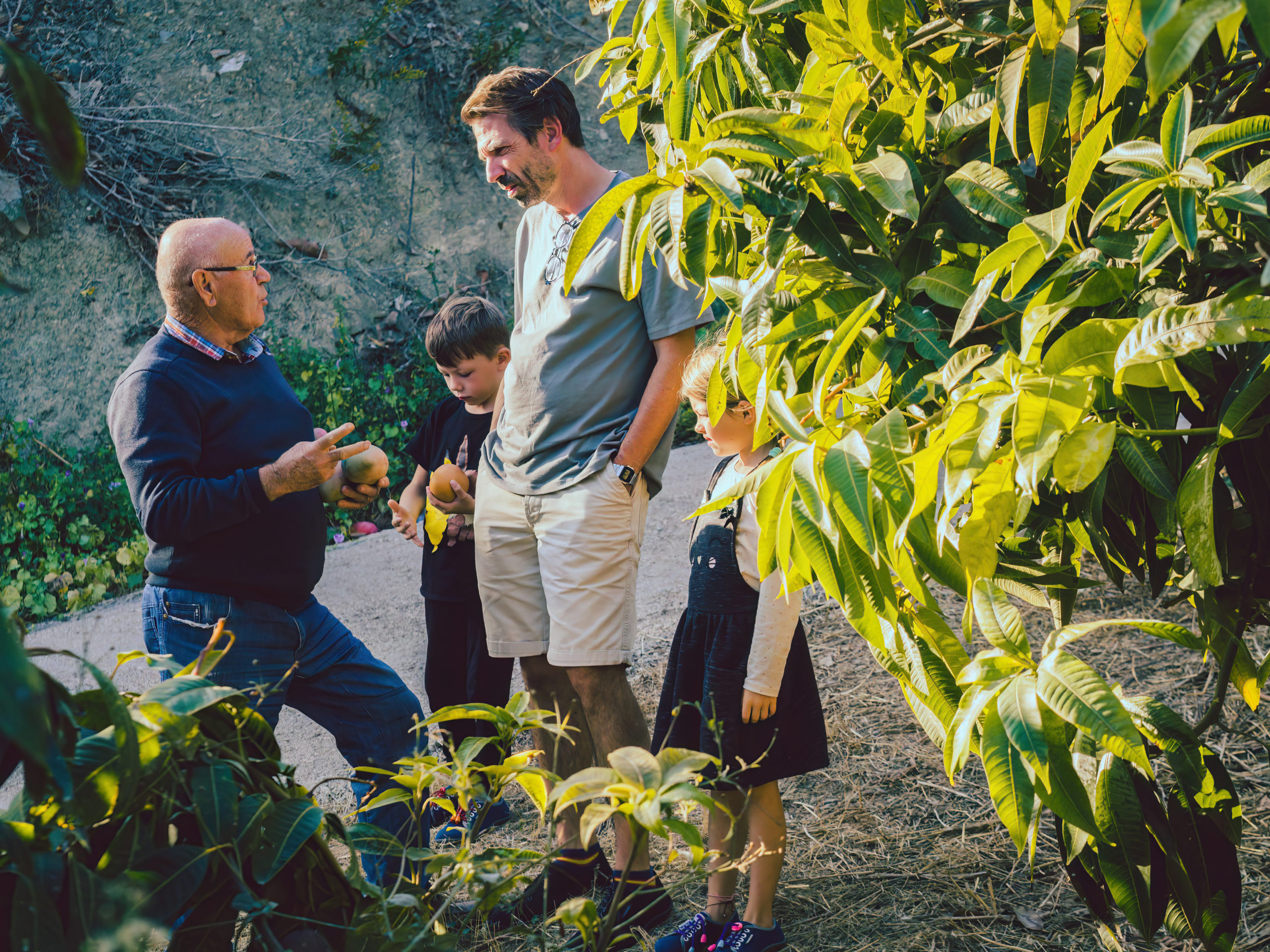
There are 294 farmers in 20 countries selling their products directly to consumers via our platform.
How are the criteria of the objective met?
Imported primary commodities
Imported commodities:
- Obtained using biodiversity-inclusive production methods: deforestation-free, sustainable land use, agroecology, no use of chemicals as pesticides/manure, …;
- Obtained using production methods that have respect for the environmental and ecological characteristics of the area; 2
- Obtained using production methods based on as much naturalness as possible/as little alteration as possible of the surrounding environment (landscape, quality of water, of soil, …);
- Whose production methods are incorporated into the surrounding environment (e.g. promote ecological continuity) to reduce their negative impact on the land;
- Whose traceability can be ensured in the long term: transparency of supply chains and availability of information to consumers.
Possible initiatives in which the project is involved :
Long-term maintenance
Regenerative-organic agriculture improves soil and biodiversity, retains more water and carbon, and produces more nutritious food. By pushing farmers to produce more for less during the last decades, soils and farmers have become dependent on external inputs to grow food, increasing the vulnerability of the whole system. Half of the world’s habitable land is used for agriculture — but most of it depletes ecosystems instead of restoring them. Regenerative-organic farming offers a solution:
- Boosts soil health and stores more carbon;
- Improves resilience to drought, pests, and extreme weather;
- Increased financial stability;
- More nutritious food.
Our platform also features 84 projects in transition to organic. We have 4 lines of action to scale regenerative-organic agriculture:
- Empowering Farmers through training and peer to peer exchanges;
- Measuring real outcomes to prove the impact of regenerative practices;
- Raising awareness on the benefits of regenerative-organic food;
- Developing digital tools and research to scale regenerative agriculture across Europe.
Benefits
CrowdFarming fights against food waste at the source thanks to adoptions. When you adopt something, you allow the farmer to grow a crop knowing that someone will consume it. In the food supply chain, many farmers grow crops without knowing whether they’ll be able to sell them. Moreover, the farmers at CrowdFarming don’t throw away “ugly fruit”, as they abide to product-quality criteria instead of aesthetic ones.
We can’t imagine implementing a model that doesn’t create quality jobs and that isn’t conceived to improve the environment. Internally, this means practising what we preach.We support an inclusive culture that favours social and cultural exchanges, seeking not to impose global, but multi-local solutions.
1% for the Soil Community: CrowdFarming’s initiative to earmark 1% of organic-regenerative product sales in order to regenerate 10,000 hectares of soil depleted by the use of herbicides and chemical fertilisers by 2028.
Other projects linked to the objective: "Imported primary commodities"
There are no other projects in this objective yet.
Feel free to Submit one!