A portion of private land is dedicated to biodiversity, with a view to future status comparable to nature reserves.
The Argenteau Forest
Das Projekt
Due to its size and fragmentation, Belgium does not have vast areas of land that can be converted into additional forests. In the context of global warming and the current erosion of biodiversity, it is therefore essential to take action on existing forest areas in order to ensure their long-term conservation and maintain the ecosystem services they provide.
The Argenteau Forest (145 ha), a popular peri-urban forest and a veritable green lung between Liège (BE) and Maastricht (NL), is one of these forests that must be preserved, particularly the Natura 2000 stands threatened by global warming, such as the beech forest.
In 2023, Sylva Nova, a technical expert serving European forests (www.sylvanova.eu), acquired 35 hectares of this forest to carry out silvicultural work dedicated to biodiversity and landscape conservation and carbon sequestration, while taking into account the coexistence with visitors to this space, which is open to the general public.
Since the acquisition, multiple actions have been implemented to preserve and optimise the site’s biodiversity, as confirmed by certifications: FSC forest management and Wildlife Estate label acquired, and FSE Recreational Services currently being audited. In addition, two Sylva Nova employees are TGBS (The Global Biodiversity Standard) assessors.
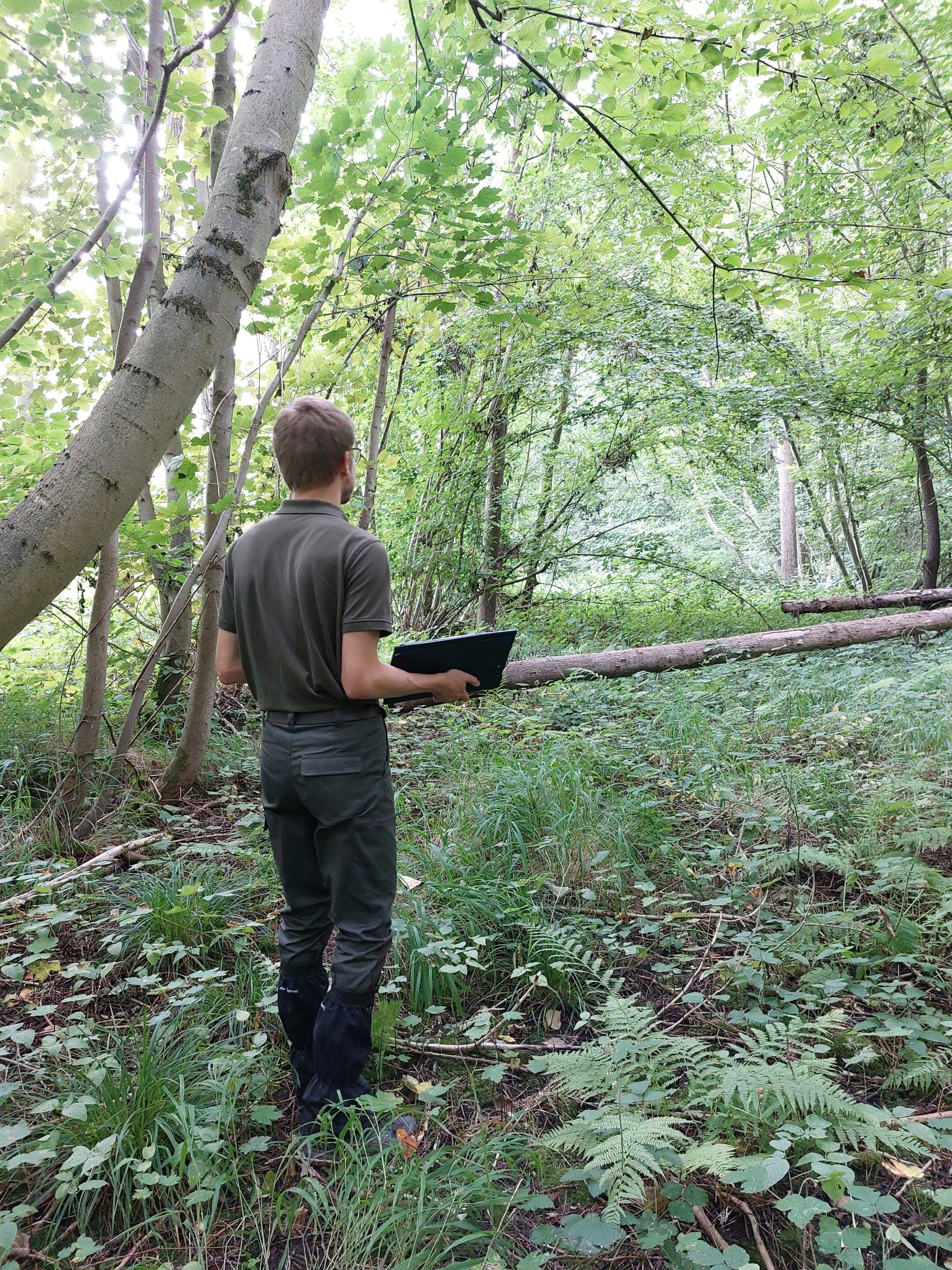
Sylva Nova practises forestry based on continuous cover mixed forestry, in order to promote the resilience of stands and preserve the landscape. Its interventions are therefore selective and focused on producing high-quality wood and promoting future stems. This management approach ensures that dead wood is left standing and on the ground, and that trees providing microhabitats are designated.
Projektstandort
Beitrag(e)
Projektkosten
Teilnehmer
- The Sylva Nova operational team and its service providers, mainly the Pirothon nursery, Fredwood, De Buche à l’Oreille, Goris Bosbeheer, etc.;
- Financial support from Dieteren Automotive through an initial three-year partnership;
- Implementation of a citizen co-construction approach, Living Lab forestry with the support of AgroParisTech;
- Several guided tours of the forest for Belgian, French, Dutch and English clients/partners/scientists/foresters.
Wie werden die Kriterien des Ziels erfüllt?
Primäre Produktions-gebiete
- Thinning using horse-drawn equipment to protect the soil and promote natural regeneration;
- Diversification of tree species throughout the forest: small clusters of conifers and scattered deciduous trees;
- Designation of an ageing cluster;
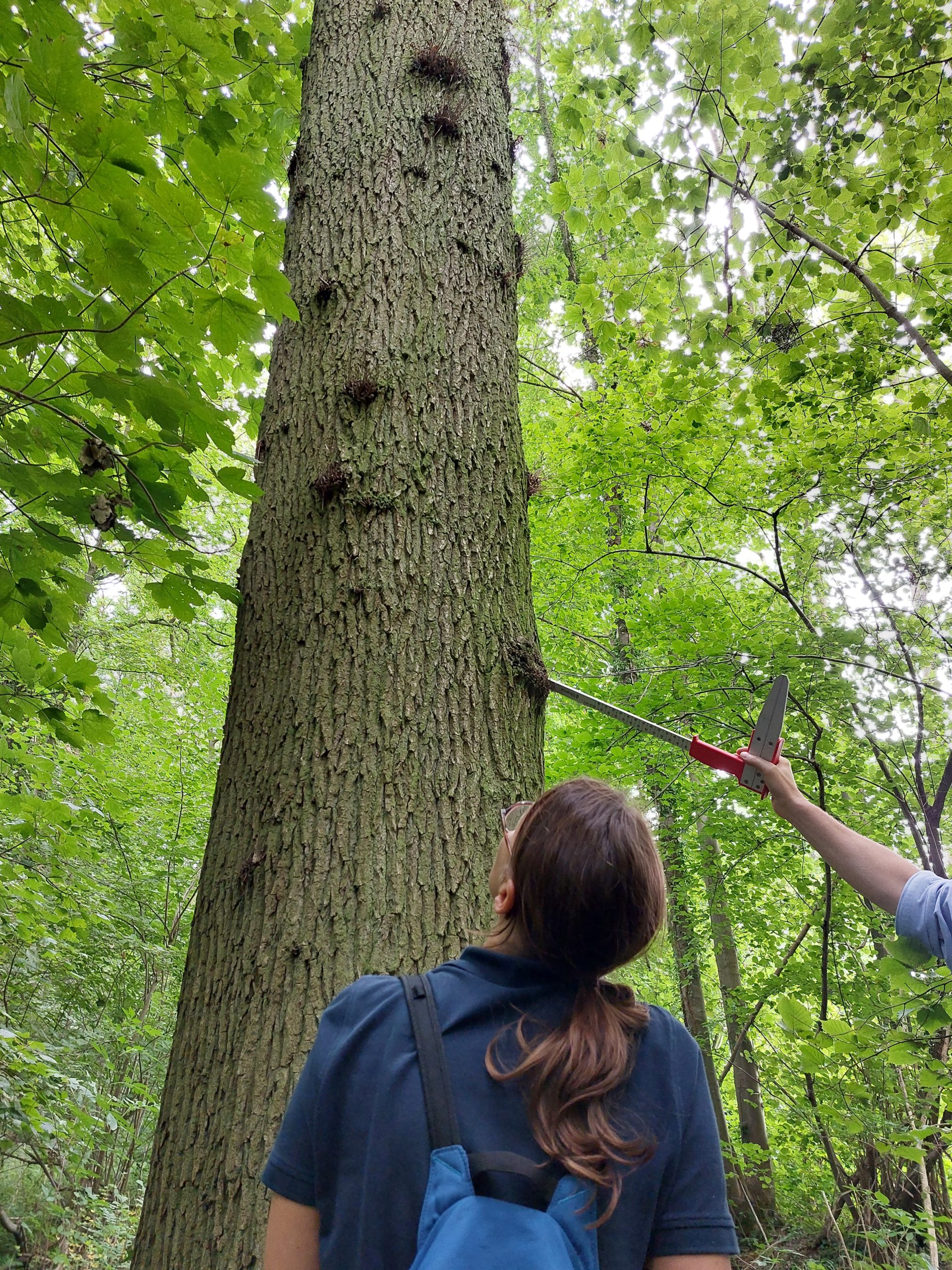
- Identification of 65 trees with microhabitats to be preserved (presence of dead branches, climbing plants, cracks in the bark, cavities, woodpecker holes, etc.);
- Planting of hedgerows and rows of poplars for certain birds and bats;
- Planting of tiered edges at the interface between open and forest environments;
- Conservation of wetlands:
o Restoration of 400 metres of banks severely eroded by the floods of 2021 and 2024;
o Fixing of banks by planting poplars and willows;
o 10-metre buffer zone around the Sainte Julienne river in which no farming is carried out; - Installation of camera traps to observe diurnal and nocturnal wildlife and analyse the data collected: badgers, domestic cats, roe deer, squirrels, martens, jays, tits, woodpeckers, pigeons, foxes, wild boars, etc.;
- Creation of two orchards composed of fruit tree species.
Mögliche Initiativen, an denen das Projekt beteiligt ist:
Langfristige Wartung
- Continuous work on thinning (selection of seedlings) and pruning (selection of future poles) – visiting each plot concerned every three to five years;
- Formative pruning and trimming;
- Continuation of the identification of habitat trees;
- Maintenance of open areas on a rotational basis, with the aim of preventing these environments from closing in, without resorting to overly regular mowing;
- Regular coppicing of willows and poplars intended to maintain the bank;
- Control (not eradication) of potentially invasive species (acacia, red oak);
- Continuous monitoring of wildlife using camera traps;
- Continuing efforts to connect habitats by maintaining edges or planting additional sections of hedges;
- General maintenance of existing paths to discourage the public from creating new routes through the plots;
- Monitoring of game damage and protection (Trico, sheep’s wool, etc.) of young plants if necessary.
Vorteile
In addition to the obvious benefits for maintaining and improving biodiversity on the site, several additional benefits can be highlighted:
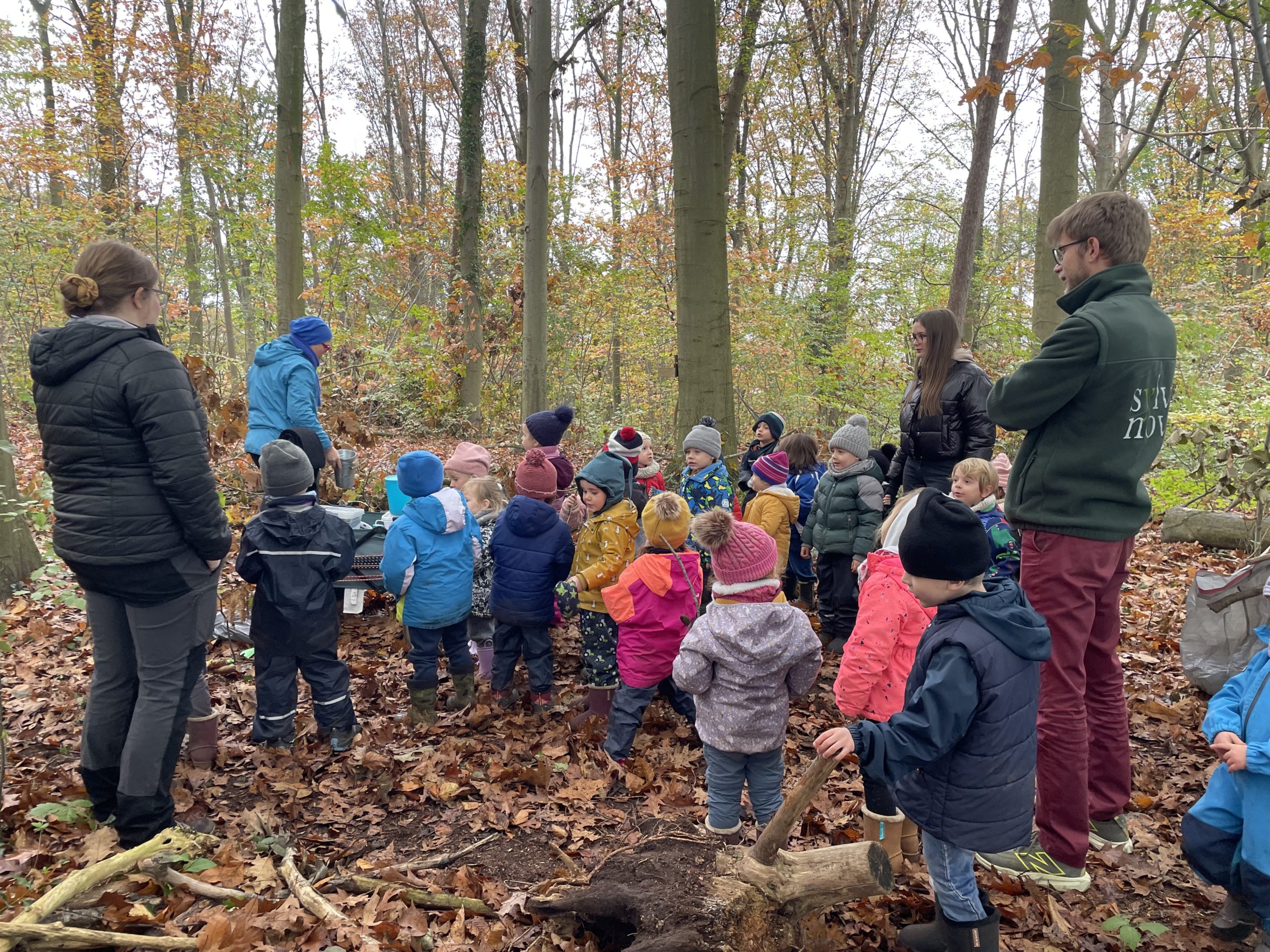
- Presence of an outdoor school with dedicated facilities in the forest.
- Future implementation of awareness-raising and information initiatives for site users:
o Installation of educational panels to raise visitors’ awareness of forest conservation issues and encourage good user practices;
o Maintenance of a citizens’ committee to evaluate the development of recreational services based on the activities recommended for the forest living lab concept (Arnould et al., 2022);
o Distribution of a visitor satisfaction questionnaire.
Other projects linked to the objective: "Primary production areas"
Veldkleur
Biodynamic, local and seasonal flower cultivation/therapy gardens.
Ecoflora
An ecological nursery, garden shop, and webshop where you will find plants, products, and expertise for creating a natural garden.